





Funk Master Slot Review
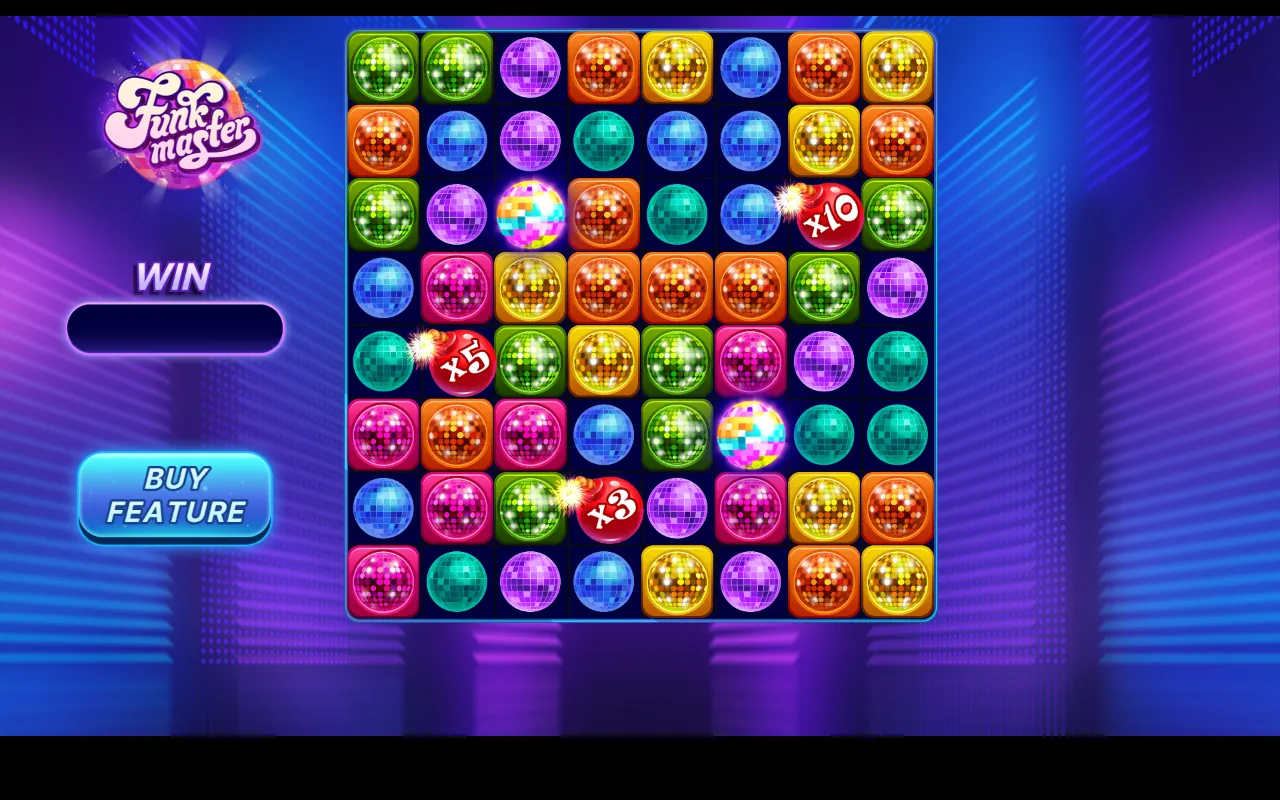
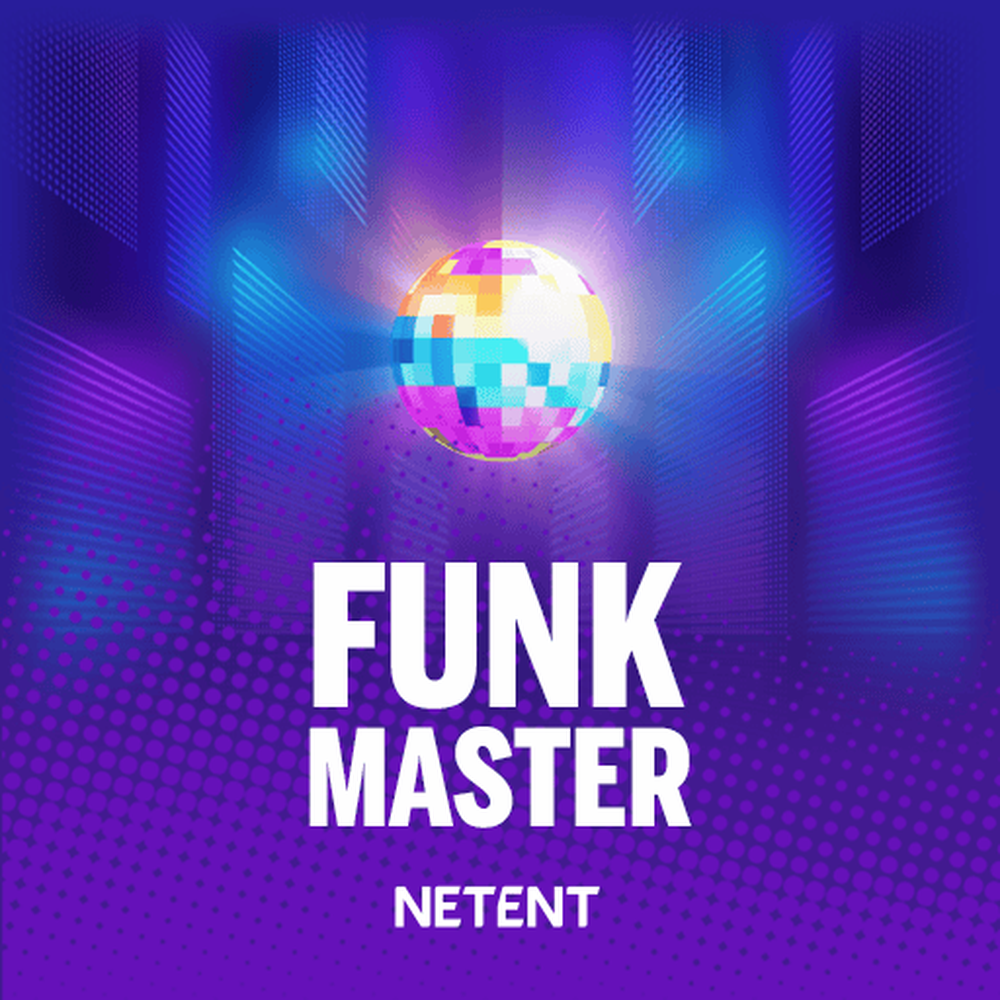
Most disco-themed slots use the music as decoration and pay for it with a plain five-reel engine. Funk Master does the opposite: it’s an 8×8 Cluster Pays grid where every single mechanic – Avalanche chains, roaming wilds, unlockable squares – is built to grow clusters, and the 1970s dance floor is what holds the pieces together. Every symbol is a coloured disco ball, the board glows like a club floor, and NetEnt has committed to the bit properly.
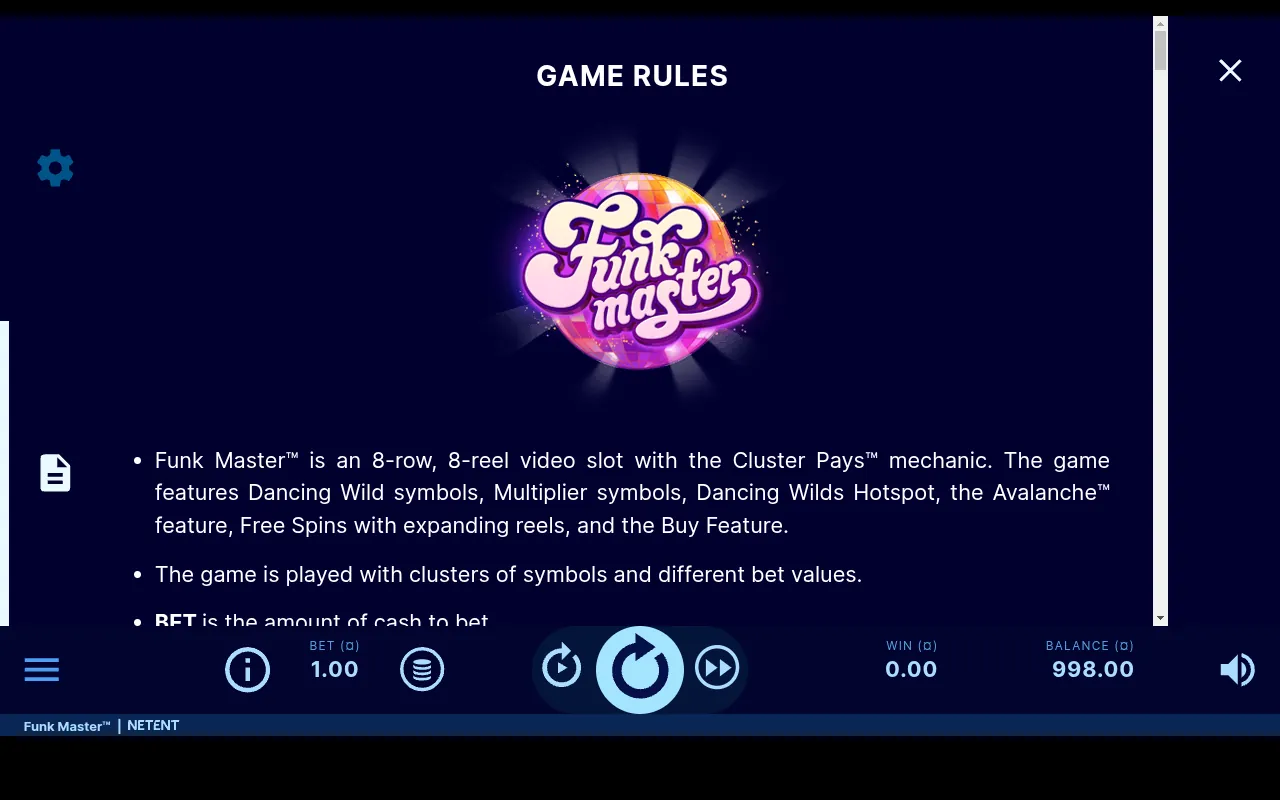
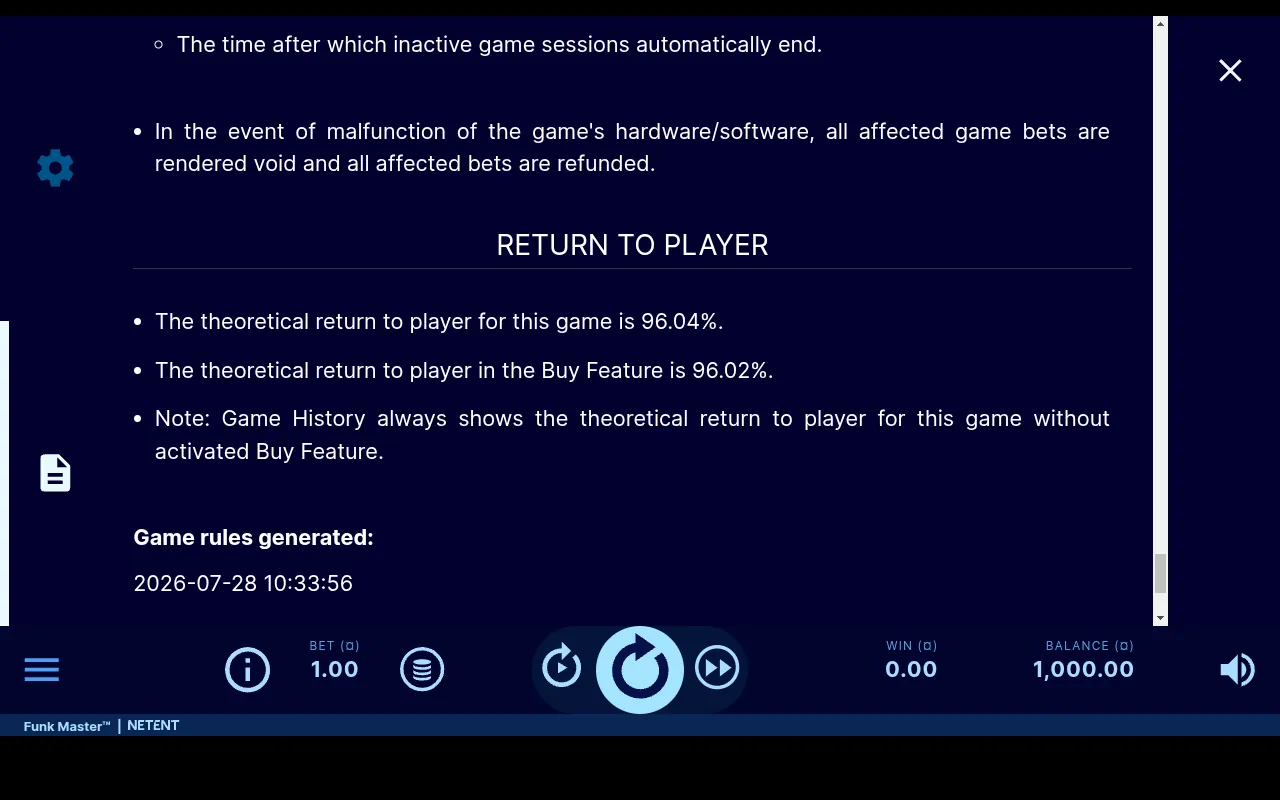
The argument in favour of this one is the cluster engine underneath the glitter. It’s an 8×8 grid running the Cluster Pays mechanic at 96.04% RTP, with a 28% hit frequency, Avalanche wins and a 3,300x ceiling – a more patient, structural game than the party dressing suggests, and closer in spirit to Aloha or Berryburst than to anything with a big licensed brand on it. Bets run from 0.2 to 200 per spin.
Cluster Pays on an 8×8 Grid
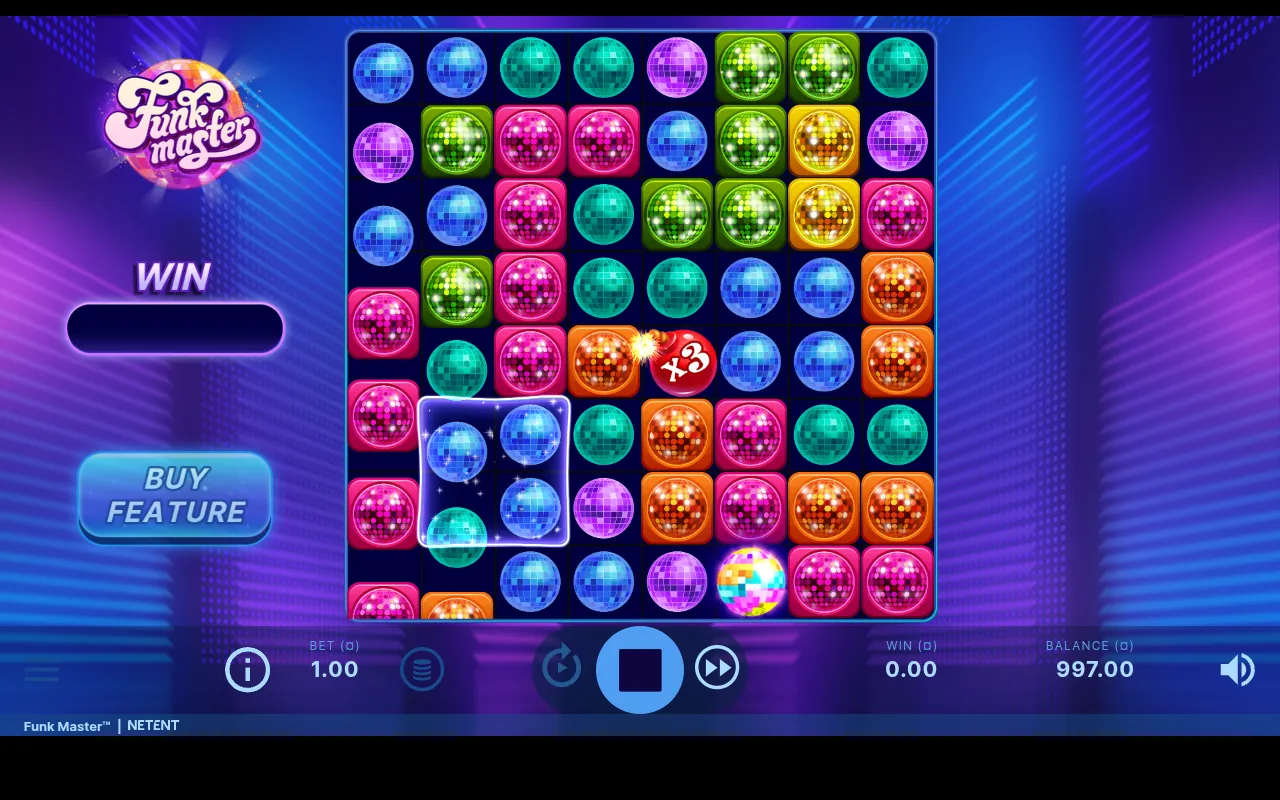
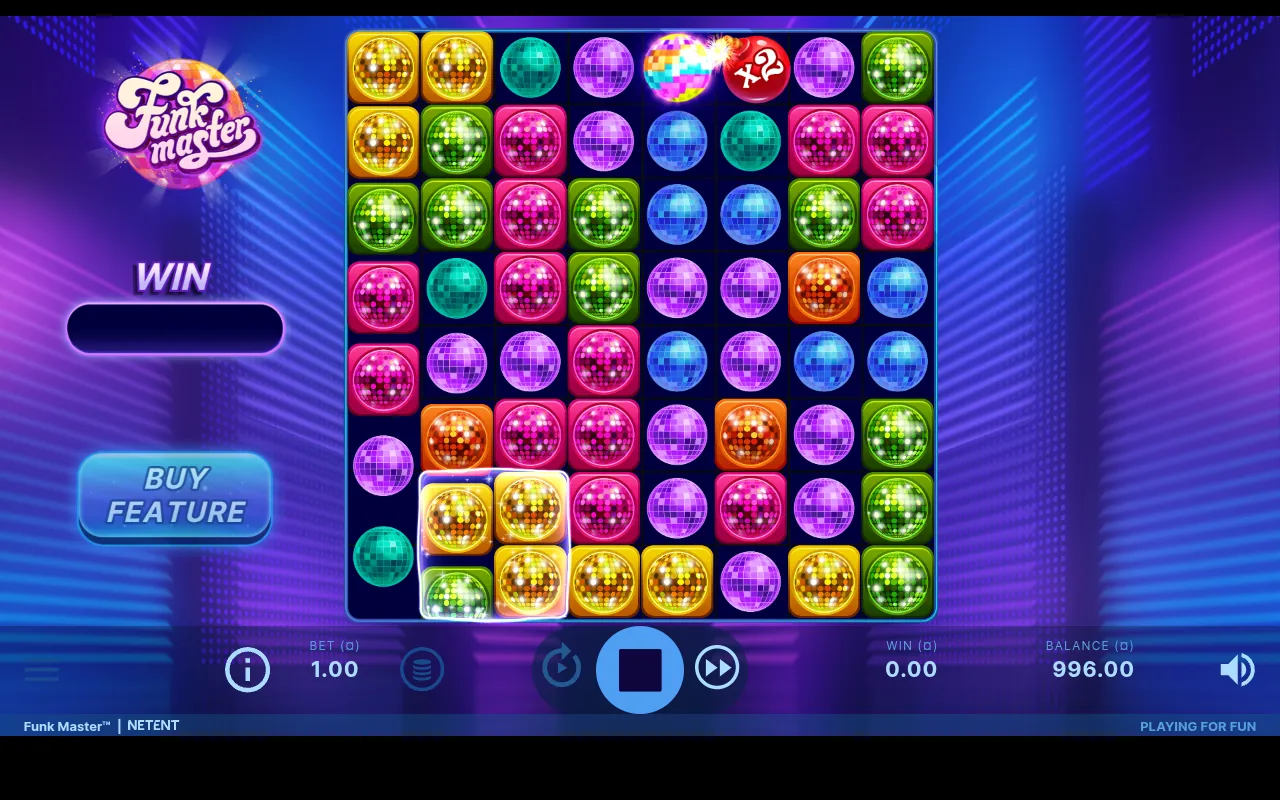
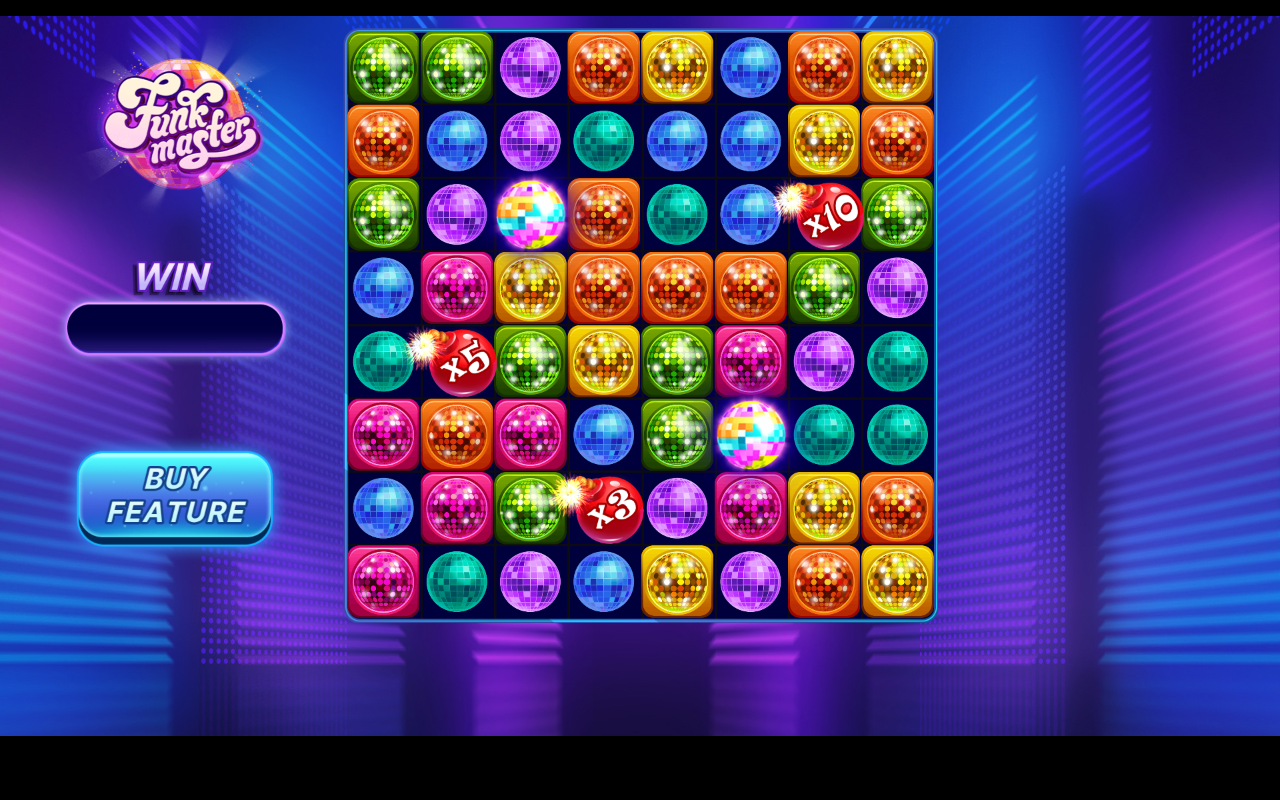
There are no paylines at all. Wins form when clusters of the same disco ball land connected anywhere on the 8×8 grid, and six is the minimum for a paying cluster. The larger the cluster, the more it pays, up to clusters of twenty symbols.
When a cluster hits, the winning symbols disappear and everything above them falls – NetEnt’s Avalanche feature – with new symbols dropping in to fill the gaps. A single spin can therefore chain several wins, and each one pays at the same stake.
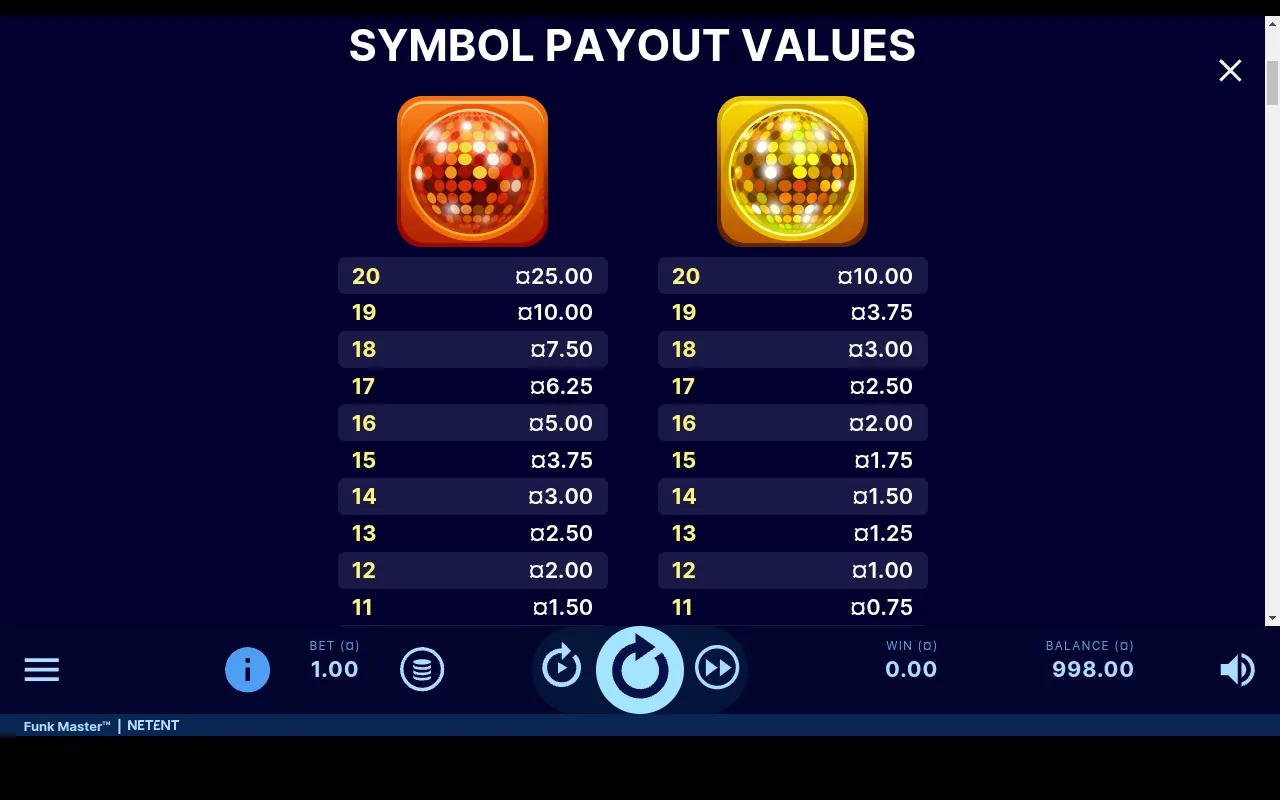
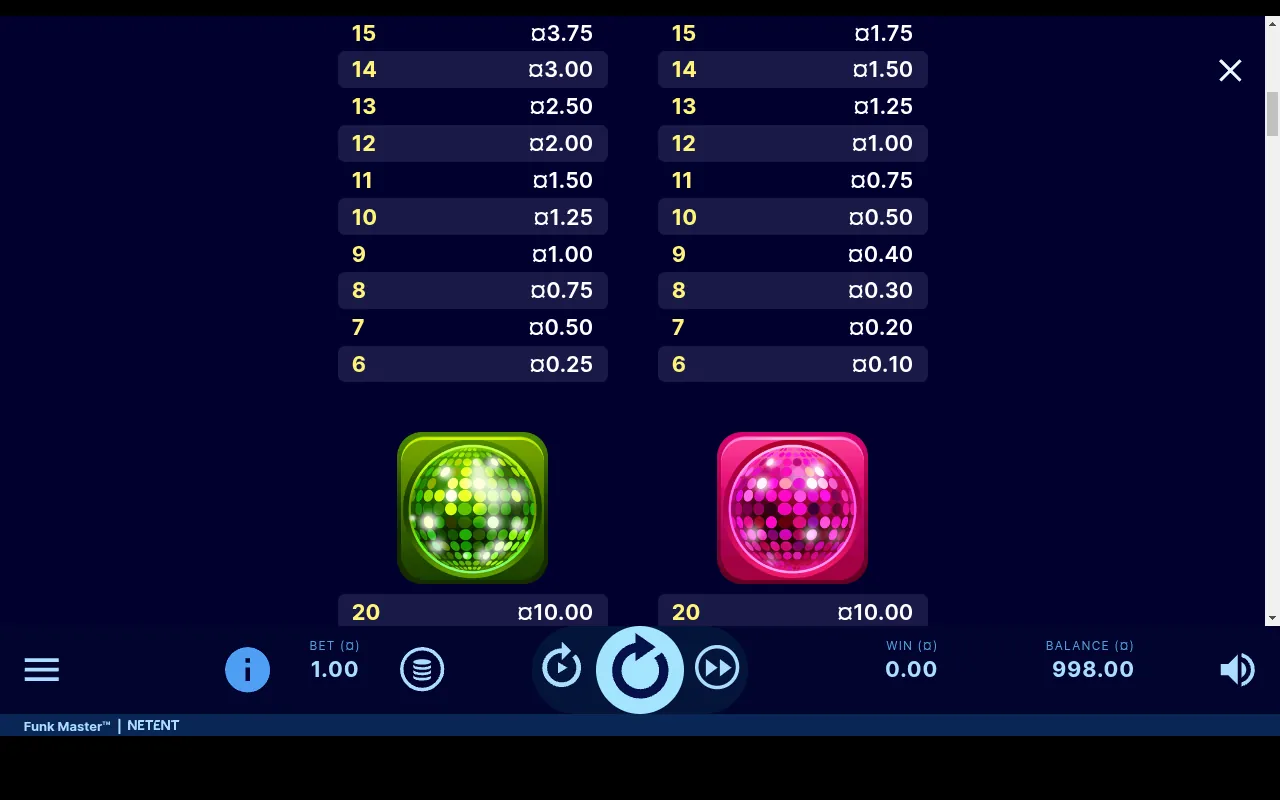
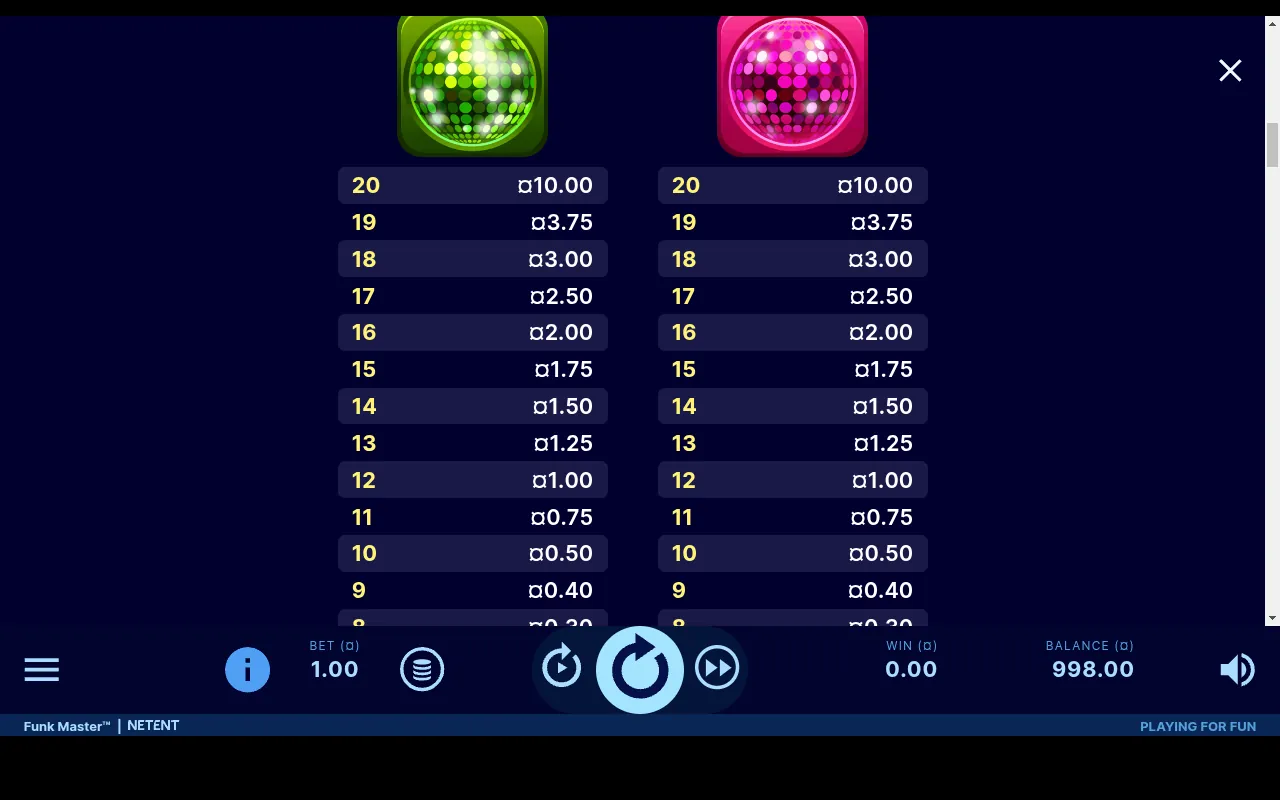
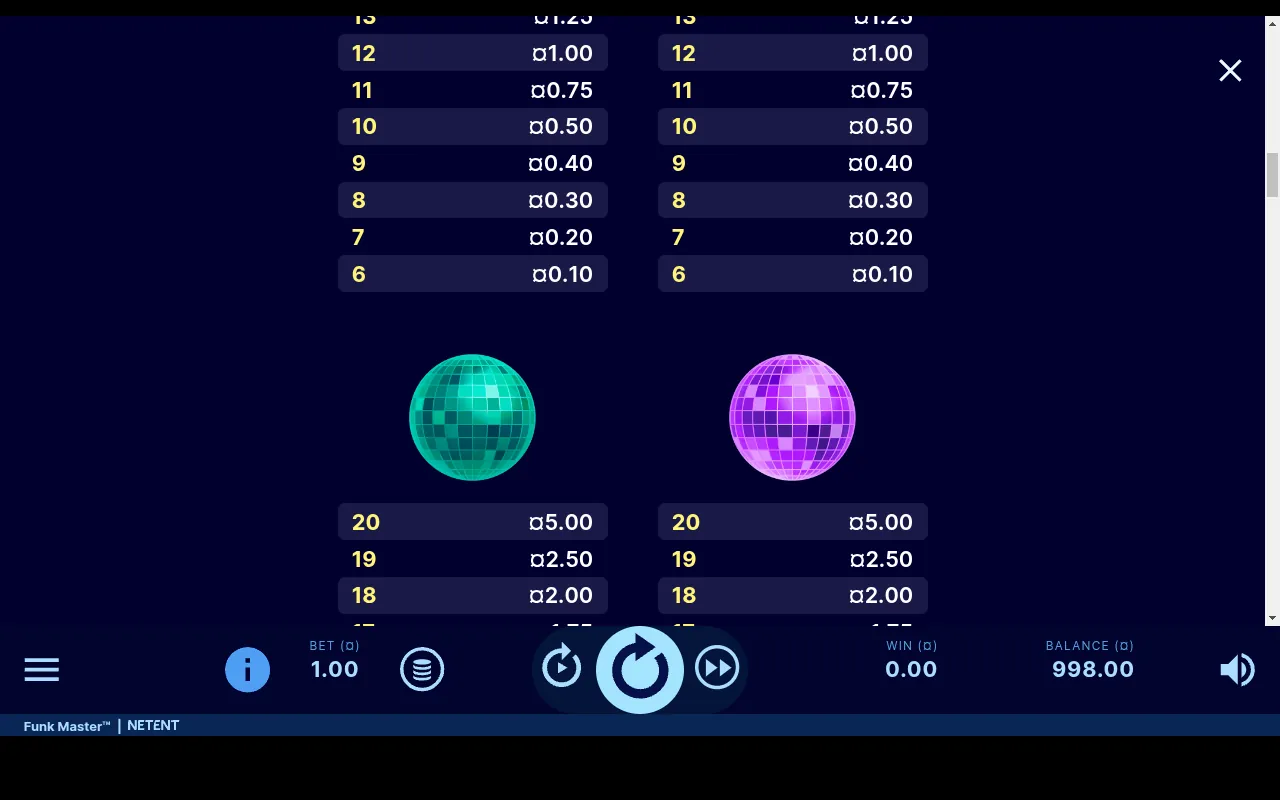
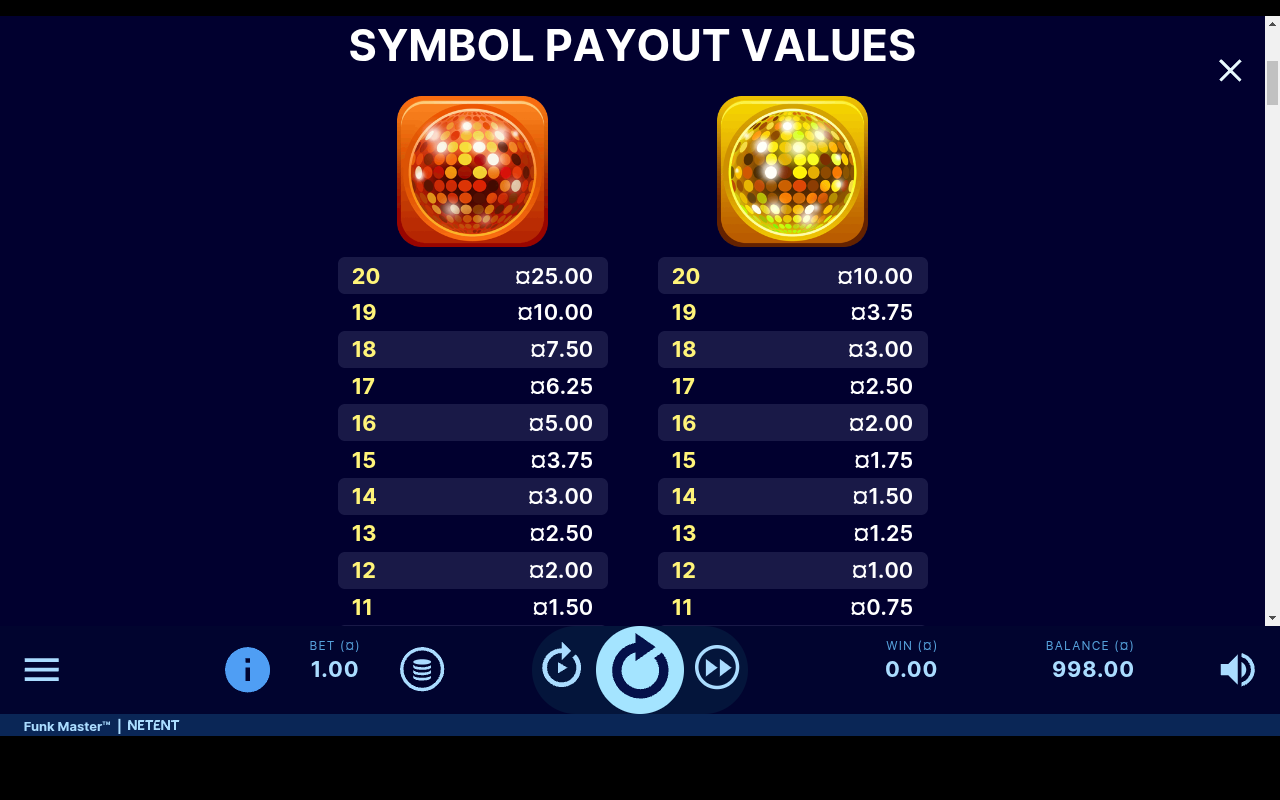
The paytable runs in three tiers, and every value is a multiple of the total bet, not a line bet. The full ladder looks like this:
- Orange disco ball – 6 symbols pays 0.25x, 7 pays 0.50x, 8 pays 0.75x, 9 pays 1x, 10 pays 1.25x
- Orange disco ball, continued – 11 pays 1.50x, 12 pays 2x, 13 pays 2.50x, 14 pays 3x, 15 pays 3.75x
- Orange disco ball, top end – 16 pays 5x, 17 pays 6.25x, 18 pays 7.50x, 19 pays 10x, 20 pays 25x
- Yellow, green and pink disco balls – 6 symbols pays 0.10x, 7 pays 0.20x, 8 pays 0.30x, 9 pays 0.40x, 10 pays 0.50x
- Yellow, green and pink, continued – 11 pays 0.75x, 12 pays 1x, 13 pays 1.25x, 14 pays 1.50x, 15 pays 1.75x
- Yellow, green and pink, top end – 16 pays 2x, 17 pays 2.50x, 18 pays 3x, 19 pays 3.75x, 20 pays 10x
- Teal and purple disco balls – 18 symbols pays 2x, 19 pays 2.50x, 20 pays 5x
The orange ball is the only symbol worth chasing at the top, paying 25x for a full twenty-cluster, while the teal and purple balls don’t pay at all below eighteen symbols – they exist to reward the biggest clusters the grid can produce.
The wild is the Dancing Wild, rendered as a spinning mirrored ball, and it stands in for any of the paying symbols to help complete a cluster. It can’t be bought or landed as an ordinary symbol – it arrives through the grid mechanics described below.
Multiplier symbols also sit among the reels, shown as red bomb-style tokens. They apply their multiplier to wins they take part in, and on a chained Avalanche sequence they’re what turns a modest cluster run into something worth watching.
- x2 – shown among the multiplier token values in the game’s Multipliers panel
- x3 – appears on the base game grid among the other tokens
- x5 – shown among the multiplier token values in the game’s Multipliers panel
- x10 – the largest multiplier value, and the one that makes long Avalanche chains interesting
Dancing Wilds and Hotspots
The Dancing Wild doesn’t just substitute – it moves. The wild shifts position on the grid, and as long as it keeps contributing to wins it keeps dancing around the board building clusters on its travels.
The second half of the system is the Hotspots. Certain highlighted squares on the grid can be unlocked, and unlocking one converts it into a Dancing Wild. Unlock enough of them and the board carries several roaming wilds at once, which is where the cluster engine starts paying above its weight.
Put as a sequence, a single spin runs like this:
- A cluster of six or more matching disco balls lands and pays
- The Avalanche clears the winning symbols and drops new ones in
- Hotspots unlocked along the way convert into further Dancing Wilds
- The chain repeats until no new cluster forms
Simple parts, but they feed each other rather than operating alone. Every step of that chain is another chance for the board to improve itself before the spin ends.
Free Spins with Expanding Reels
The free spins round is where Funk Master changes shape. The reels expand during the feature, growing the play area beyond its base 8×8 dimensions and giving the Hotspot and Dancing Wild mechanics more room to work.
Visually the round goes full disco – rainbow-trail disco balls and a busier light show – but the substance is the expanded grid. The differences that matter:
- More squares on the board, and therefore more possible cluster positions
- More Hotspots available to unlock, each becoming another Dancing Wild
- Clusters large enough for the teal and purple balls to pay, which need eighteen symbols or more
That last point is the quiet design detail. In the base game an eighteen-symbol cluster is a rare sight on a fixed 8×8 board; on the expanded reels it becomes a realistic outcome, and the symbols that pay nothing below eighteen suddenly have a job.
Buy Feature
Players who’d rather skip the wait can buy direct entry to the free spins round through the Buy Feature button on the base game screen. The purchased round runs at 96.02% RTP, fractionally under the standard game’s 96.04%, so the convenience costs a sliver of return rather than a chunk of it.
- Buy Feature – player-activated purchase, jumping straight to the free spins round
- RTP when buying – 96.02%
- RTP without buying – 96.04%
One detail worth knowing: game history records the return figure without the buy active, so the numbers logged afterwards reflect the standard game, not the purchase.
Our Honest Verdict
Overall Rating: 7.7/10
Playing Funk Master is watching a board assemble itself. That’s the reason to pick it over a dozen other disco floors: a spin isn’t one result, it’s a sequence that can keep improving while you watch, and the theme gives that momentum somewhere to live. It’s genuinely fun to follow.
Its strength is that nothing on the grid is wasted. Wilds move, Hotspots convert, multipliers stack – every piece feeds the next one, which is rarer in this genre than it should be. Its weakness is that the base game pays like a builder, not a spender: three tiers of disco ball with modest mid-range values, and long quiet stretches between the sequences that matter.
This is a game for players who enjoy the process – watching clusters grow, unlocking squares, waiting for the board to click. It’s a poor fit for anyone who wants their excitement up front. The lights stay on late here, and the build is worth the wait.
Funk Master FAQs
-
What is the RTP of Funk Master?
The RTP is 96.04%. If you use the Buy Feature, the return is 96.02%, marginally lower than the standard game. -
What is the hit frequency of Funk Master?
Wins land on roughly 28% of spins, so expect longer gaps between hits than on a low-variance title. -
How do wins work in Funk Master?
The game uses the Cluster Pays mechanic on an 8×8 grid instead of paylines. Six or more matching disco balls connected anywhere on the grid form a paying cluster, with bigger clusters paying more. -
What do Dancing Wilds do in Funk Master?
Dancing Wilds substitute for any paying symbol. Hotspots on the grid can be unlocked to convert them into additional Dancing Wilds. -
What happens during Funk Master free spins?
The reels expand during free spins, giving the Hotspot and Dancing Wild mechanics a larger grid to work with and allowing bigger clusters than the base game can hold. -
Can you buy the bonus on Funk Master?
Yes. The Buy Feature button lets you purchase direct entry to the free spins round, which runs at 96.02% RTP. -
What is the maximum win on Funk Master?
The maximum win is 3,300x your total bet. -
What do the multiplier symbols pay in Funk Master?
Multiplier tokens don’t pay on their own – they multiply the value of any cluster win they take part in, with values of x2, x3, x5 and x10 appearing on the grid. -
Which symbols pay the most in Funk Master?
The orange disco ball is the top payer, worth up to 25x your total bet for a cluster of twenty. The teal and purple balls pay only at eighteen symbols or more, but they reach 5x for a full twenty-cluster.