











Interview with Print Studios’ Joshua Nadin
Jamie: What was the original idea that led to Rotten Potato, and when did you realise the Potato universe could take a much darker turn?
Joshua: It actually started while I was watching a zombie series! I had the idea of a Potato Horde, which quickly led to the name Rotten Potato, and from there we started exploring what a spin-off could look like.
The Potato universe already has these larger-than-life characters and a fairly ridiculous royal family, so imagining what would happen if a fungal outbreak took over the kingdom felt like a fun concept to explore. Once you’ve pictured an army of undead potatoes, it’s quite difficult to leave the idea alone!
Jamie: Rotten Potato transforms the kingdom from Royal Potato into a fungal apocalypse. How did you develop the story and decide which familiar elements to keep or change?
Joshua: We wanted players who know Royal Potato to recognise the world straight away. The royal characters, the humour and the SuperSpinners™ are all part of its identity, so those were important connections to keep.
The plague gave us room to change how that world behaves. The characters become corrupted versions of themselves, while the infection and Mystery Symbols introduce a different way for the bonus to develop. That was the balance we were aiming for: enough familiarity to feel part of the Potato universe, with new mechanics that give Rotten Potato its own identity.
Jamie: The game’s backstory includes King Cordyceps III and a plague that spreads across the kingdom. How closely did the narrative guide the game’s design and features?
Joshua: Very closely. This was one where the story came first and gave us a lot of the feature ideas. Once we had a kingdom being consumed by a fungal plague, it made sense for that infection to spread across the reels, transform symbols and feed the growing power of the SuperSpinners.
That isn’t always our process. Sometimes we start with a mechanic we’re excited about and build a world around it. With Rotten Potato, the world helped us work out what the game should do. King Cordyceps III and his increasingly rotten kingdom gave the whole thing a clear direction.
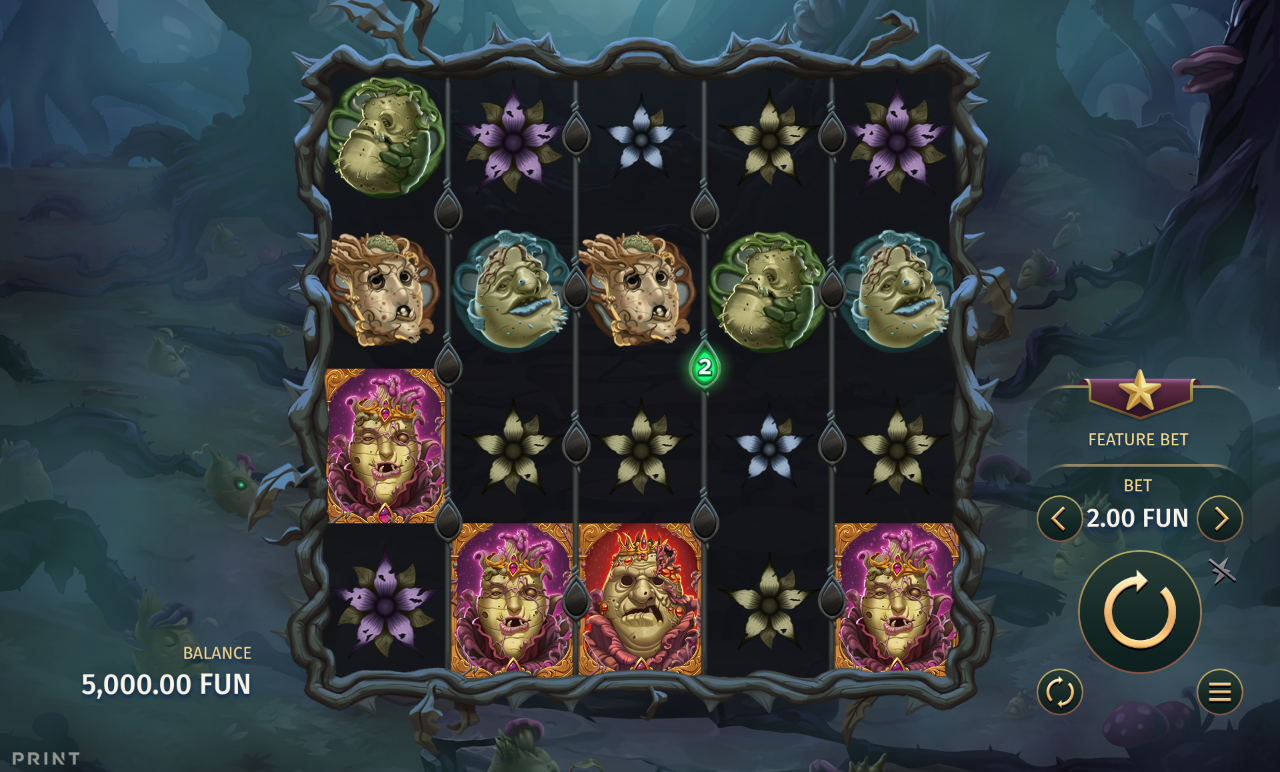
Jamie: The infection spreads across the reels as the game progresses. How did you turn that idea into a mechanic that feels connected to the story?
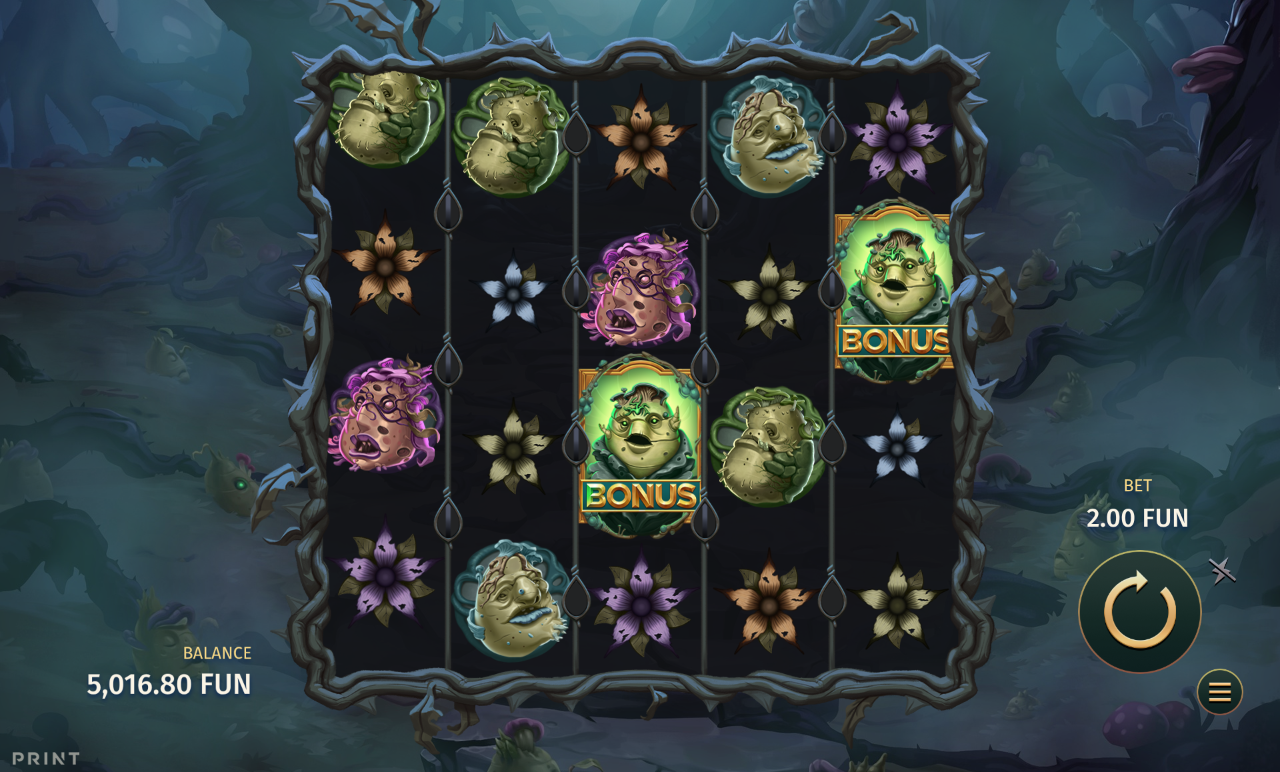
Joshua: The Rotten Potato Wild is at the centre of it. During the Potato Plague Bonus, it sits on the middle reel, and when it contributes to a win, the other winning symbol positions become infected. Those infected positions can then return as Mystery Symbols, while the spread also helps advance the bonus through its stages.
That gives the infection a visible role in what happens next. A win can spread the plague, and that spread can create opportunities on later spins. You’re watching the outbreak develop through the gameplay, which makes the connection to the story very easy to follow.
Jamie: The SuperSpinner™ multipliers grow stronger as the plague takes hold. What was the design thinking behind linking those two parts of the game?
Joshua: We wanted each stage of the outbreak to have a meaningful effect on the bonus. As the infection advances, you unlock more multiplier power, which is randomly distributed across the SuperSpinners on each spin.
The Mystery Symbols and the multipliers then work together. You’re watching to see what the infected positions reveal and how any resulting wins connect with the SuperSpinners. Linking those systems gives the progression a clear purpose, and it adds anticipation to the next spin because you can see how the potential has changed.
Jamie: How did the team approach the game’s visual style and sound to make it feel sinister while keeping the Potato world’s distinctive personality?
Joshua: Initially, we considered going much further towards realistic horror, closer to the atmosphere of Darkness or Dreadworks. We quickly realised that the Potato universe needed to keep its humour and exaggerated personality.
The art and sound teams worked towards something creepy, grotesque and still quite playful. The fungal growths and decay bring the horror, while the characters’ expressions and the absurdity of the setting keep it recognisably Potato. The sound needed to support that same balance. You want the outbreak to feel threatening, but there should still be room to laugh at how ridiculous these characters are. They are potatoes, after all!
Jamie: What were the biggest development challenges in bringing Rotten Potato together, and did any features change significantly along the way?
Joshua: One of the challenges was making the infection clear and satisfying while keeping the game moving. Between the infection spreading, Mystery Symbols revealing and the SuperSpinners coming into play, there can be quite a lot happening.
A good example was the infection animation. We refined the way the character sends it out towards the reels, with each symbol reacting as the infection reaches it.
We also worked on how the multiplier power is shown moving into the SuperSpinners. Those changes help players follow the sequence without slowing everything down. A lot of the polish comes from getting those individual moments to flow together.
Jamie: We ran a campaign around Rotten Potato this month. What kinds of player reactions or feedback have stood out to you since the game launched?
Joshua: We’ve already seen some great streamer clips, and what’s stood out is the surprise when a really juicy win lands before the bonus reaches its later stages. That’s been especially good to see, because it’s something we deliberately worked towards with the maths.
The Royal Potato games have a strong chase towards the final stages. With Rotten Potato, we put more of the bonus RTP into the middle stages, so there’s more to play for along the way. The later stages still have huge potential, but we wanted those earlier parts of the journey to have their own memorable moments too. It’s been great to see that coming through in the reactions.
Jamie: Does Rotten Potato open the door to more stories or games set in this darker version of the Potato universe, and what can you share about what Print Studios is working on next?
Joshua: Potentially, yes! There’s room to explore more of this side of the Potato universe, and it’s interesting to think about what a darker version of another Print game might look like. The exciting part would be finding new mechanics that suit that darker world.
Our next release is Pine of Plinko 3, which we’re really excited about. Plinko has become one of our strongest series, and the response from reviewers and the wider community has already been super encouraging. We’re particularly proud of the production quality, and of how much there is to discover as the bonus develops. We’re looking forward to seeing players get their hands on it.
Jamie: The game has striking visual changes and growing multipliers as the plague spreads. Which moments do you think will make it especially fun to watch on a stream?
Joshua: The big mystery reveals should be great stream moments. When the Potato Horde covers a large area of the reels, everyone can see the potential before the symbols are revealed. Then you’re looking at how any wins connect with the SuperSpinners, so there’s plenty for a streamer and their chat to react to.
The stage upgrades in the bonus also give viewers a clear sense of the bonus building. You can follow the infection spreading and see the multiplier power increasing. I think that combination of visible progression and sudden surprises suits streaming really well. Sometimes the win that gets the biggest reaction arrives earlier than everyone expected.
About Print Studios
Founded in 2020, Print Studios has quickly established itself as one of the more creative developers in the online slots industry. The studio joined Relax Gaming’s Silver Bullet programme in 2021, giving it the distribution and technical support to focus on developing games that stray from conventional slot design.
Print Studios is particularly well known for its proprietary SuperSpinners™ mechanic, alongside flagship releases like Holy Hand Grenade and Royal Potato. Its catalogue also includes the successful Pine of Plinko series and more experimental releases like Cash Defense, demonstrating the studio’s willingness to draw inspiration from outside the world of online slots.
You can learn more about the developer and explore its growing catalogue of slot reviews and free demos on our dedicated Print Studios provider page.



Comments